博客

Oct. 29, 2026
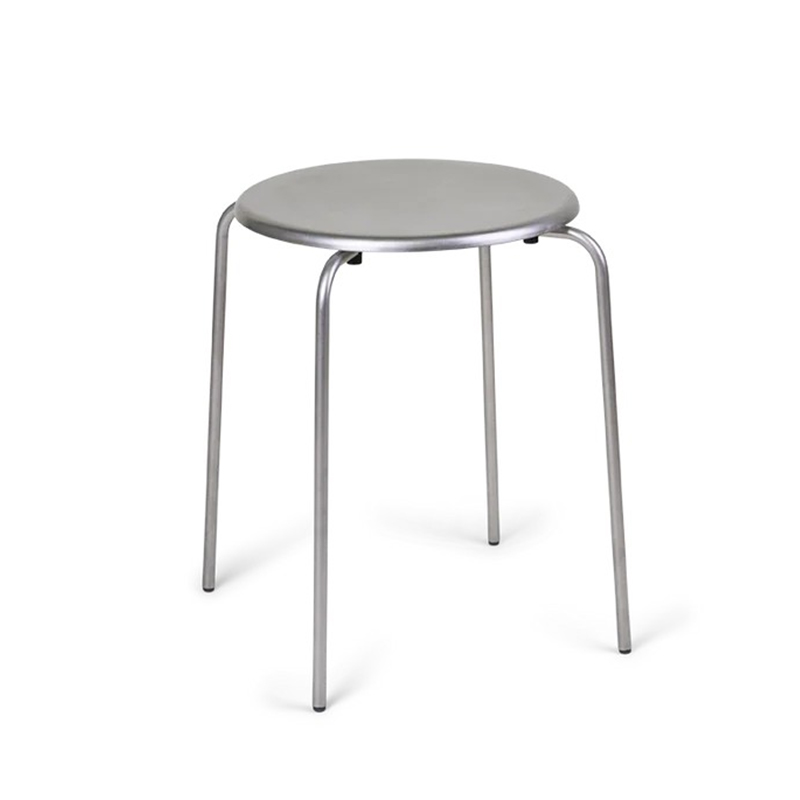
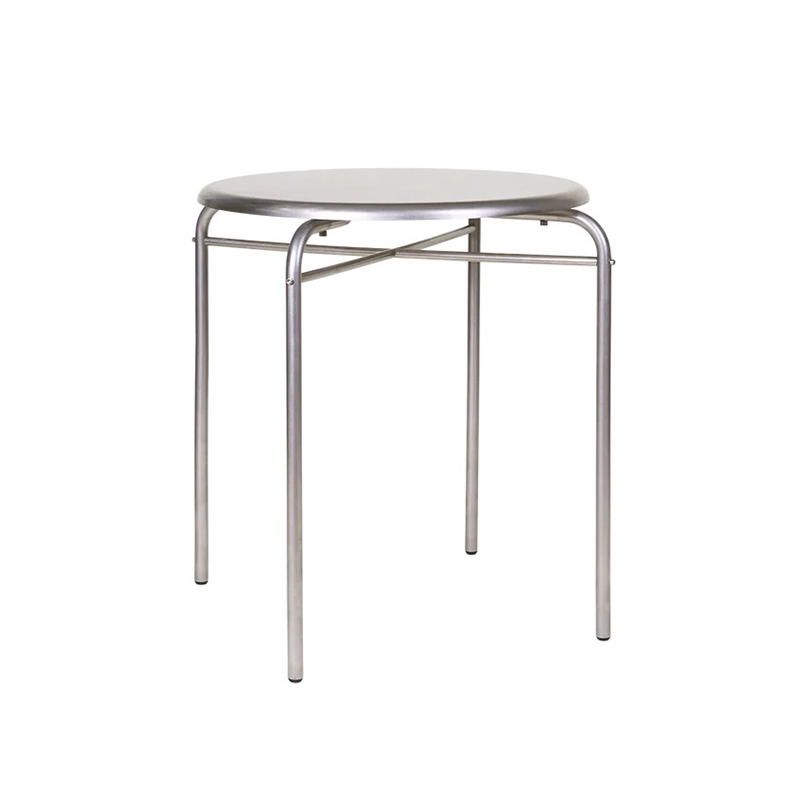
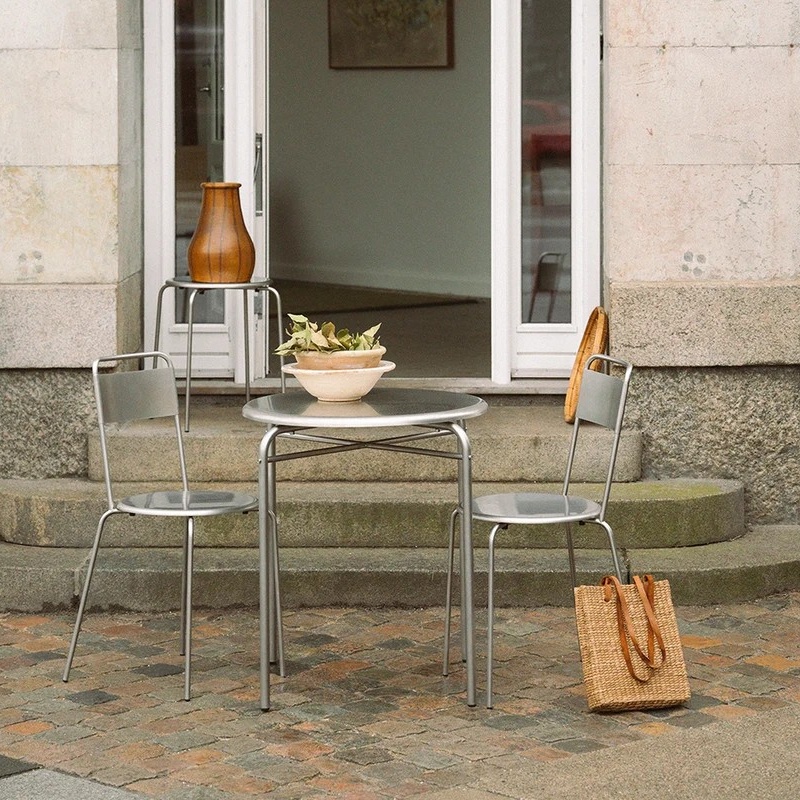
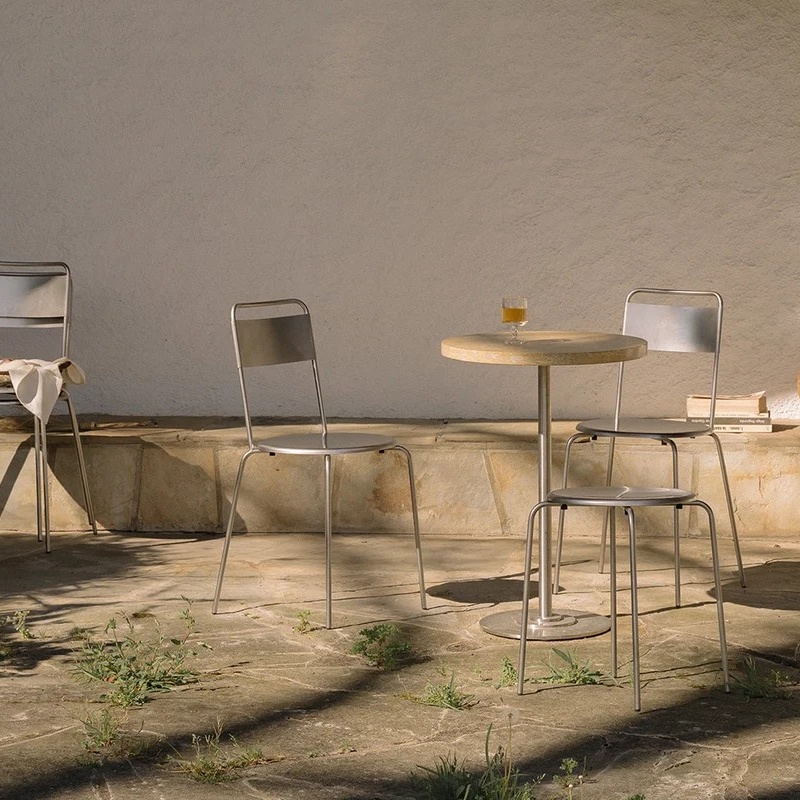
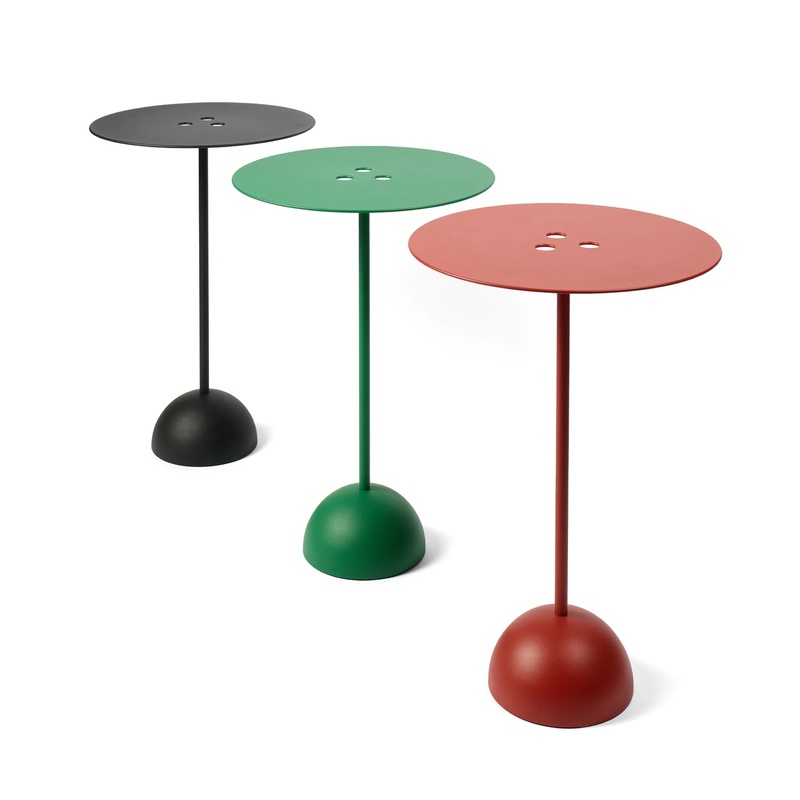
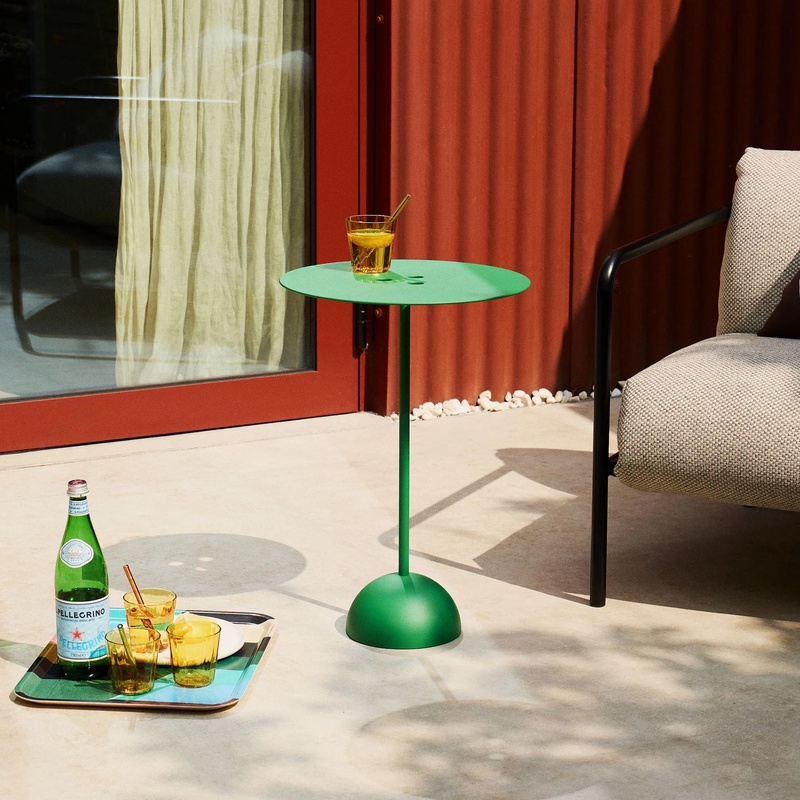
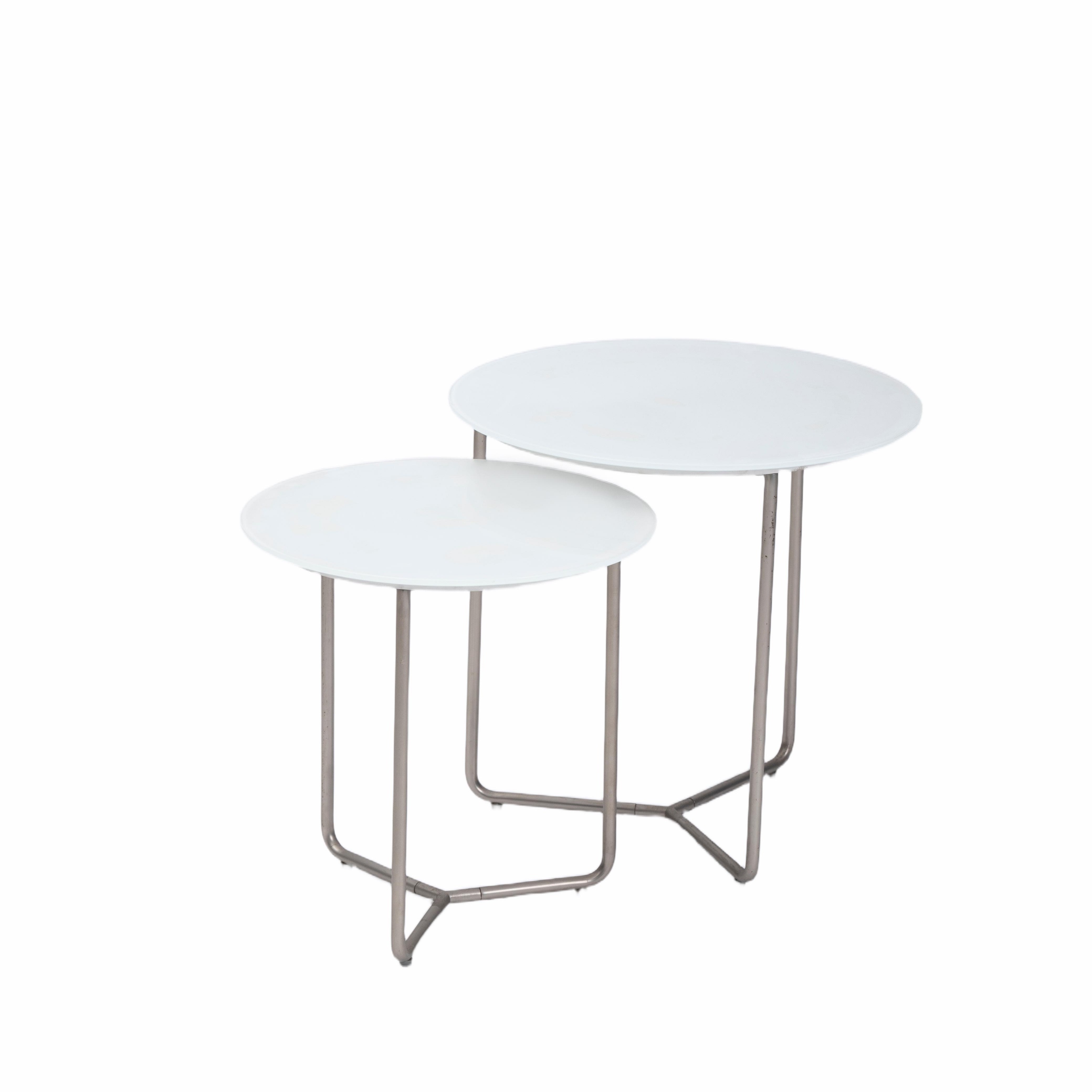
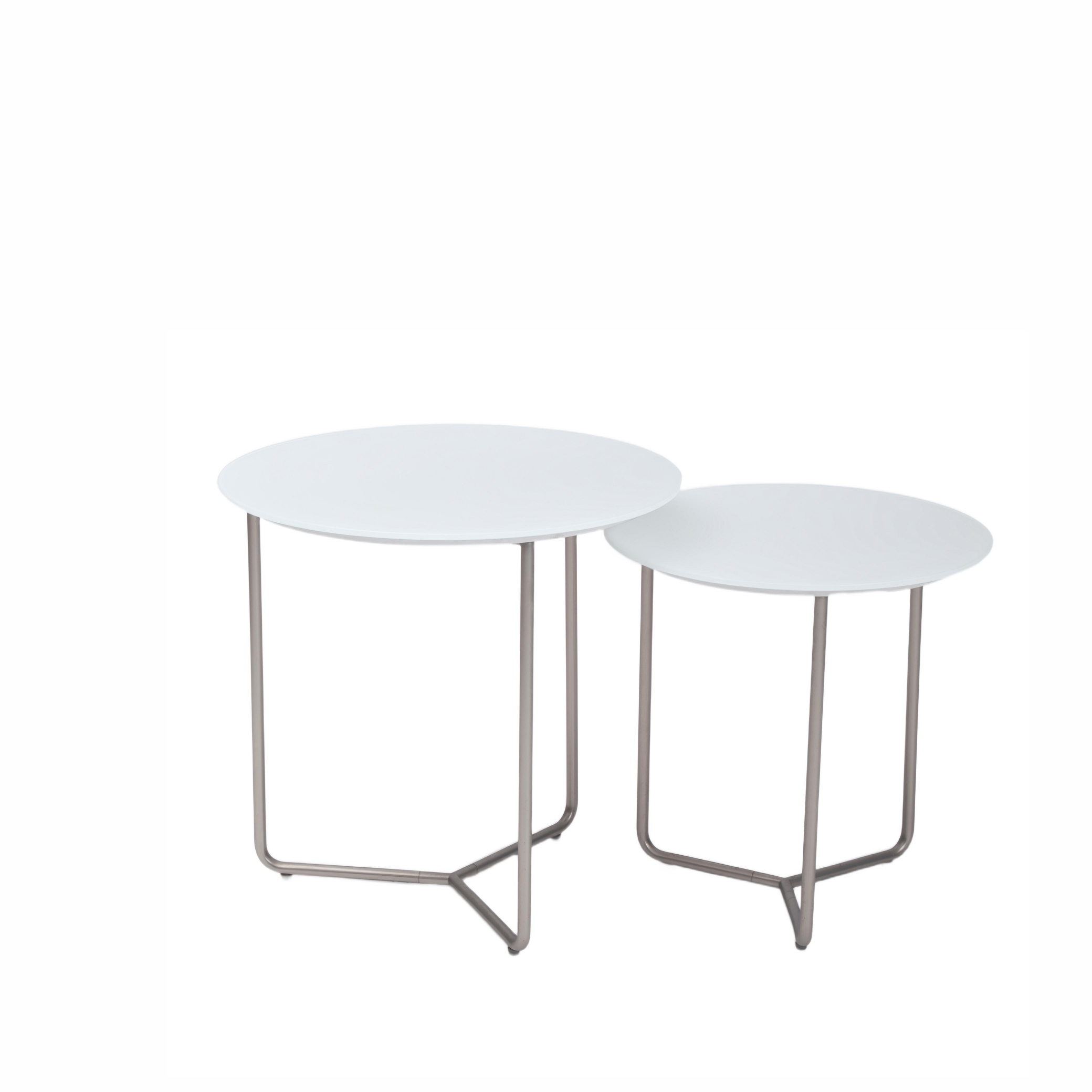
What Makes a Metal Outdoor Table Weather-Resistant? It is the combination of a suitable metal, a durable protective finish, weather-smart construction, and regular care that helps a table withstand rain, humidity, sunlight, and temperature changes. For businesses, choosing weather-resistant Commercial Outdoor Tables can reduce replacement costs, protect the appearance of a dining area, and help keep outdoor seating available for customers.
For Notable buyers, weather resistance is not a single material claim. It is a set of design and performance choices that should match the table’s location, expected use, and maintenance plan.

Outdoor exposure affects a table in several ways. Water can start corrosion, salt can speed it up, ultraviolet (UV) radiation can fade or degrade finishes, and repeated heating and cooling can stress coatings and joints. A dependable table accounts for these conditions as a system.
No metal is immune to every outdoor condition. A coastal restaurant, a covered café terrace, and a dry inland patio have different exposure levels and may need different materials and finishes.
Powder coating is a widely used finish for metal patio furniture. Electrostatic application places dry coating powder on the prepared metal, followed by curing to create a continuous film. The result can provide color retention and a barrier against moisture, provided the surface preparation, coating coverage, and cure are controlled.
Ask for the specified dry-film thickness in micrometres (μm), the pretreatment process, and how edges, welds, and fastener areas are coated. ASTM D7091 describes practices for measuring dry-film thickness on nonmagnetic coatings over metal substrates. A thickness reading alone does not prove corrosion resistance; adhesion, surface preparation, and coating continuity also matter.
Good weather-resistant design limits places where water and debris can collect. Sloped surfaces, drainage openings, capped tube ends, sealed or protected welds, and accessible cleaning points can reduce prolonged moisture exposure. Hardware and dissimilar-metal connections should also be selected to limit galvanic corrosion, which can occur when different metals are electrically connected in the presence of an electrolyte such as salty water.
Metal outdoor furniture has long been valued for strength and cleanable surfaces. As restaurants, hotels, and public venues expanded outdoor seating, buyers increasingly needed furniture that could remain presentable through repeated service, cleaning, and seasonal exposure. Improvements in pretreatment, powder-coating technology, and corrosion testing made it easier to specify finishes for particular environments.
Today, procurement teams often compare not just appearance and price, but also alloy, coating system, construction details, test documentation, warranty terms, and maintenance needs. This shift matters because a table’s service life depends on the whole product—not simply whether its frame is described as “metal.”
For hospitality and commercial settings, a corrosion-resistant outdoor dining table can help preserve a consistent guest experience and reduce the disruption of replacing damaged furniture. The practical value is especially clear in high-traffic locations where tables are moved, cleaned, and exposed to changing weather every day.
When comparing a weather-resistant metal outdoor table, request evidence tied to the product configuration being purchased. A useful specification should identify the metal grade or alloy, pretreatment, coating type, target film thickness, hardware, intended exposure, and care instructions.
| What to check | Why it matters | Useful question for a supplier |
|---|---|---|
| Base metal and grade | Strength and corrosion behavior vary by alloy and exposure. | Which alloy or steel grade is used, and is it suitable for my site? |
| Surface preparation | Contamination or poor pretreatment can undermine coating adhesion. | What cleaning and pretreatment steps are used before finishing? |
| Coating specification | Finish chemistry, coverage, and cure influence barrier performance. | What coating system and dry-film thickness are specified? |
| Construction details | Welds, edges, joints, and drainage points can be vulnerable areas. | How are water traps and exposed connection points addressed? |
| Test and warranty documents | They help clarify tested performance and real-world limits. | Which product configuration was tested, and what does the warranty exclude? |
Testing can provide useful evidence when the method, sample, and acceptance criteria are clear. Relevant methods may include:
These standards describe test methods, not a universal pass level for every table. For example, a buyer might request a 500-hour or 1,000-hour salt-spray exposure as part of a project specification, but the duration and acceptance criteria should be agreed in advance and interpreted alongside other evidence. Ask whether testing covered the complete finished assembly or only a flat coating panel.
Imagine a café replacing tables on an uncovered terrace near the sea. A low purchase price may look attractive, but repeated salt deposits and rain can expose weak points in the frame and finish. The buyer can compare an aluminum-frame option with a carbon-steel option, verify the coating and hardware specifications, and ask for relevant test documentation.
The café can then set a simple care routine: rinse salt residue with fresh water, use a non-abrasive cleaner, dry areas where water collects, and inspect welds and coating damage on a regular schedule. This example does not promise a fixed service life; it shows how site conditions, evidence, and maintenance inform a better purchasing decision.
Before ordering Notable Commercial Outdoor Tables, confirm that the product’s materials and finish suit the installation site. Use this checklist to guide a supplier discussion:
What Makes a Metal Outdoor Table Weather-Resistant? The answer is a coordinated system: an appropriate metal, properly applied protective coating, water-conscious construction, credible testing, and routine maintenance. No single finish or test can guarantee performance in every climate.
When sourcing a weather-resistant metal outdoor table, match the specification to the real exposure at your site and request clear documentation from the supplier. With those details in hand, business buyers can compare Commercial Outdoor Tables more confidently and choose a solution designed for long-term outdoor use.