博客


Oct. 23, 2026
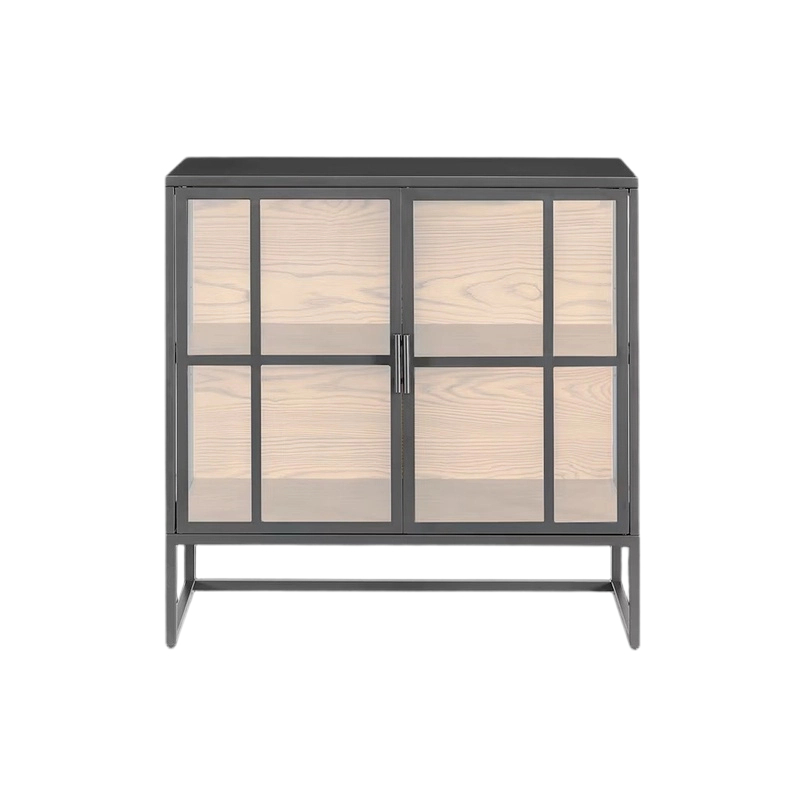
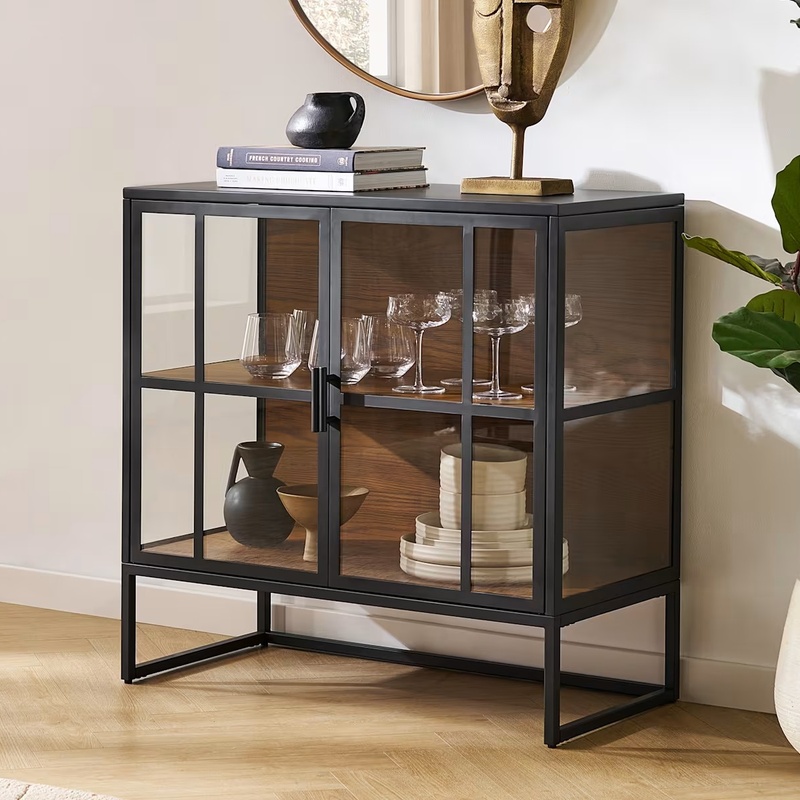
At Notable, we help buyers turn a furniture idea into a buildable, dependable product with a clear process: define the use and specifications, approve drawings and samples, confirm materials and finishes, then monitor fabrication, inspection, and delivery. Follow these steps to reduce design changes, control costs, and get Custom Metal Furniture that fits your space and project requirements.

Before cutting metal, we need to understand what the furniture must do, where it will be used, and how it will be produced. A detailed brief helps a manufacturer spot practical issues before they become expensive production changes.
Record the furniture type, intended environment, order quantity, target delivery date, and budget. A restaurant table, retail display, outdoor bench, and industrial workstation may look similar in a sketch but require different load capacities, finishes, and packaging.
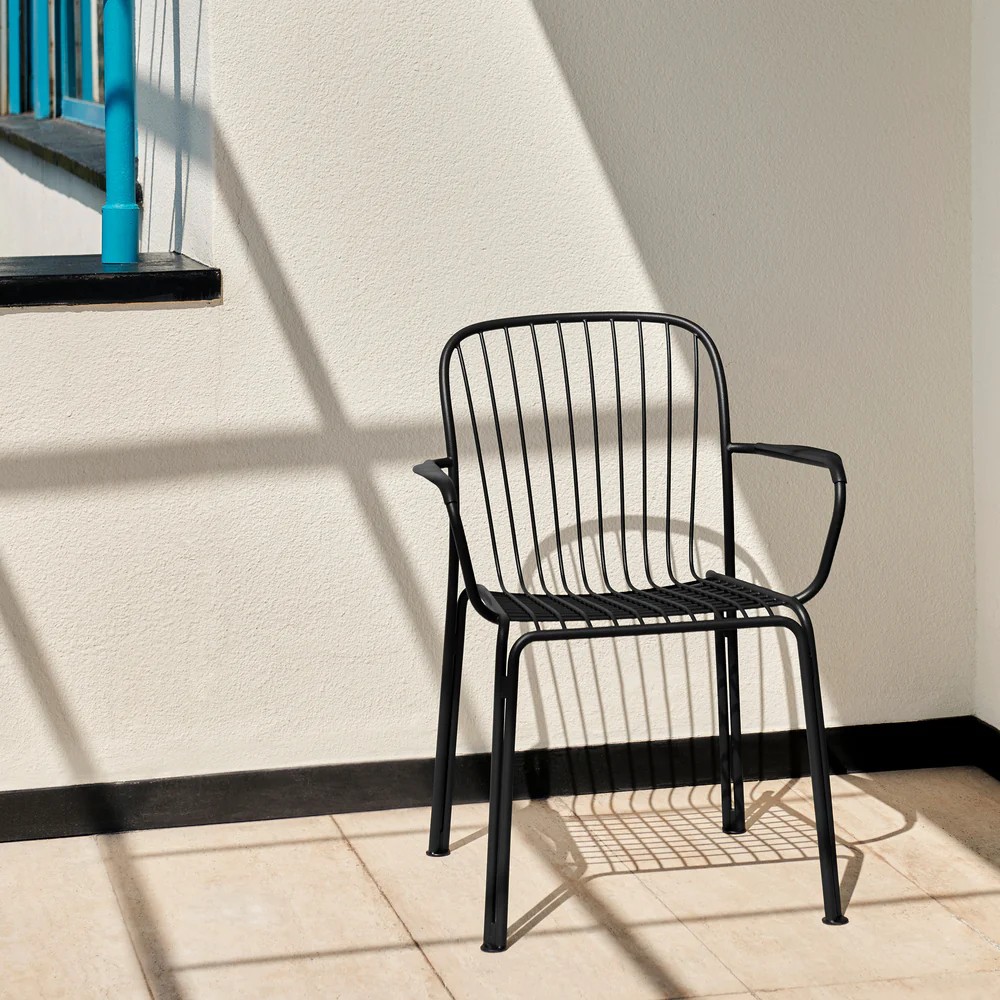
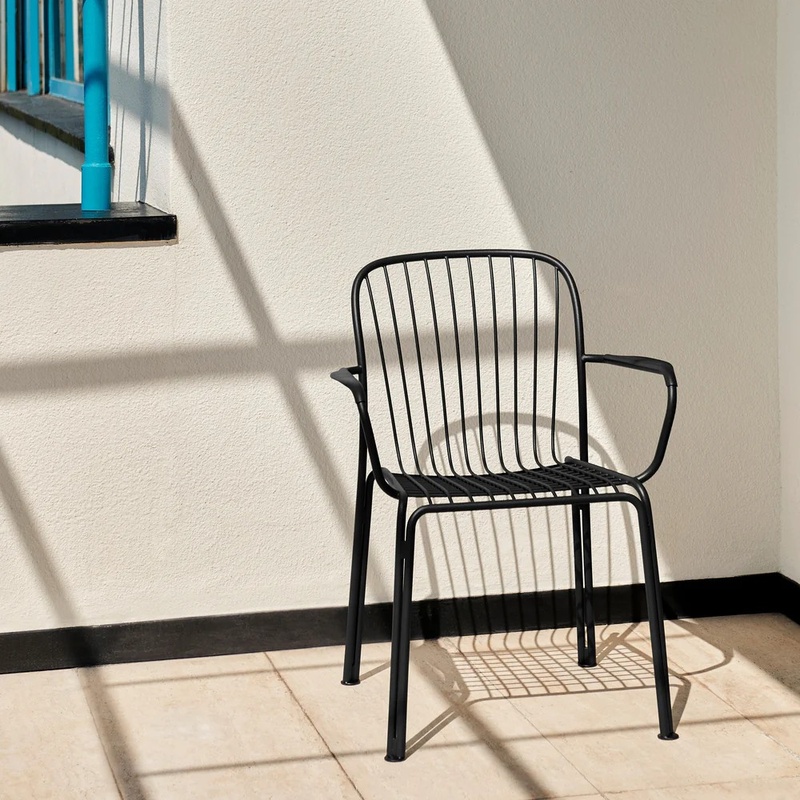
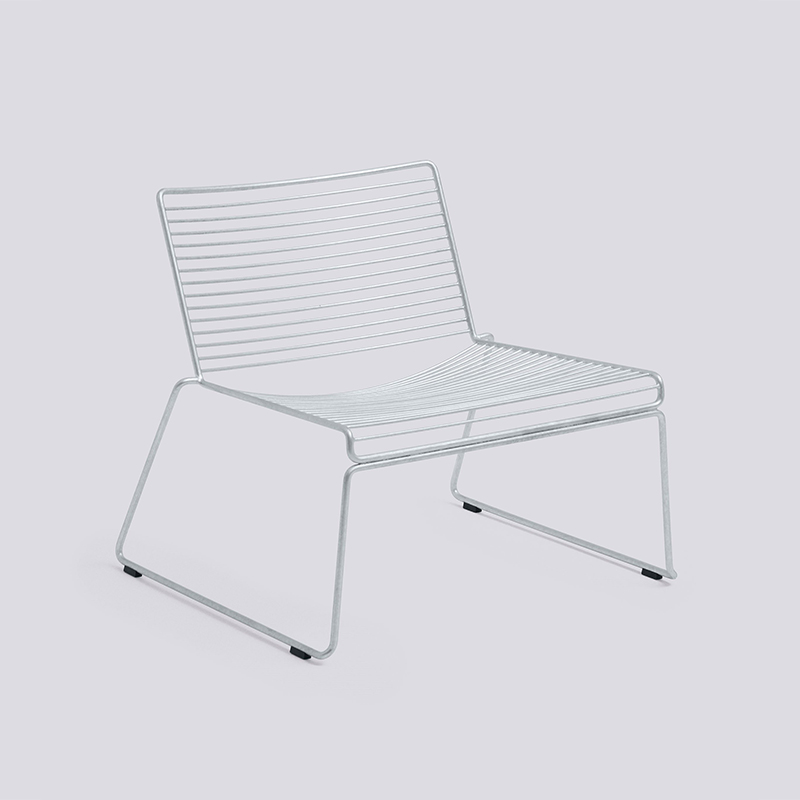
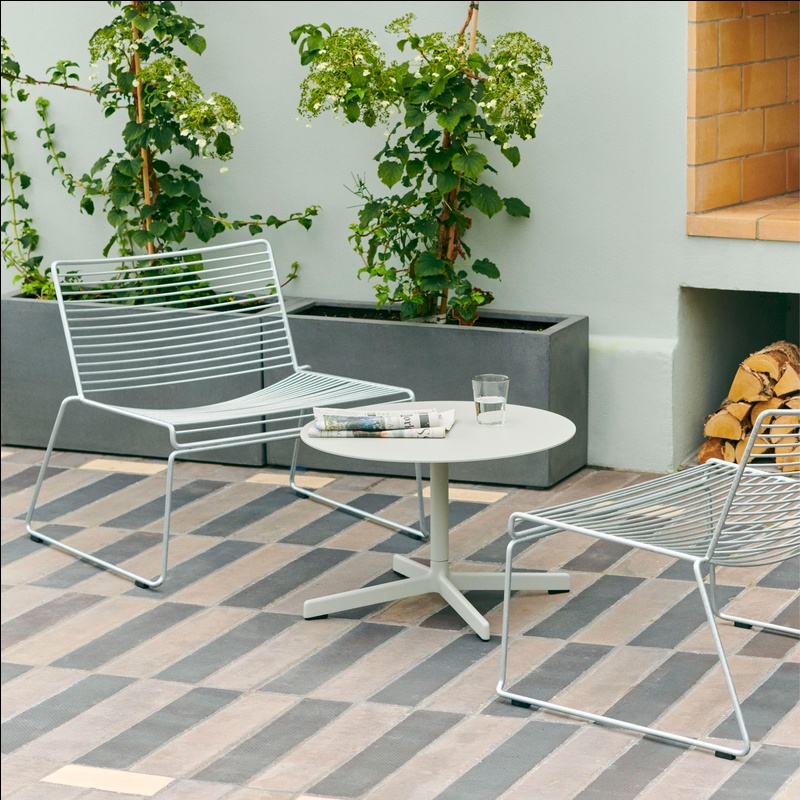
For example, a coastal outdoor chair may need corrosion-resistant material and a durable coating, while a powder-coated steel table for a dry indoor office may have different protection requirements.
Once the requirements are clear, the design moves into engineering. This is where an attractive concept becomes a manufacturable product with dimensions, tolerances, joints, and assembly details that a production team can follow.
Ask for a 2D drawing and, when useful, a 3D CAD model. Review the parts list, material thickness, tube or profile sizes, weld locations, fasteners, and finish specifications. Confirm which dimensions are critical and which can use standard fabrication tolerances.
Do not assume every dimension can be held to 0.01 mm on a finished furniture assembly. That level of precision may be appropriate for selected machined features, but sheet-metal cutting, welding, coating, and assembly each affect dimensional accuracy. Set realistic tolerances feature by feature, and have the manufacturer confirm them against the process and drawing.
A design-for-manufacturing review can identify ways to simplify production without changing the intended appearance or function. We look for:
Approve a controlled drawing revision before production. Marking the revision number on the purchase order and inspection documents helps prevent outdated files from reaching the shop floor.
Material selection affects strength, weight, corrosion resistance, appearance, and price. A reliable custom metal furniture manufacturer should explain the trade-offs rather than recommend a material based on appearance alone.
| Option | Common application | Points to confirm |
|---|---|---|
| Carbon steel tube or sheet | Indoor frames, tables, shelving, and display fixtures | Wall thickness, weldability, rust protection, and coating system |
| Stainless steel | Food-service, healthcare, or demanding environments | Grade, surface finish, cleaning chemicals, and exposure conditions |
| Aluminum | Lightweight furniture and selected outdoor applications | Alloy, section strength, joining method, and surface treatment |
When a project requires material traceability, specify the grade and request supporting documentation. ASTM A240 covers stainless steel plate, sheet, and strip for pressure vessels and general applications; ASTM A500 covers cold-formed welded and seamless carbon steel structural tubing. Confirm that the selected product form and grade suit the furniture design rather than treating a standard number as a complete design approval.
For finishes, identify the coating type, color reference, gloss, texture, and coverage requirements. Powder coating is common for steel furniture, while stainless steel may be brushed or polished. For corrosion testing, ASTM B117 describes a salt-spray apparatus and procedure; it does not by itself define a universal pass/fail duration for every product. Agree on the test method, exposure duration, and acceptance criteria in writing.
A prototype lets you test appearance, fit, stability, and assembly before ordering a production run. It can also reveal issues that are difficult to spot in a rendering, such as a sharp edge, awkward cable route, or wobbling leg.
Use a sample review checklist and record any corrections with photos and drawing markups. Check:
Approve the sample in writing, including its drawing revision and finish reference. If you request a change, ask for a revised sample or documented confirmation that the change can be implemented consistently in production.
After sample approval, manufacturing typically moves through a repeatable sequence. The precise route depends on the design, metal type, and factory equipment, but the main operations are broadly similar.
For buyers, a clear inspection plan is more useful than a vague promise of quality. For example, require documented checks at incoming material, first-piece approval, in-process fabrication, finish review, and final packing. A 100% visual inspection of finished units can be specified, while dimensional or load checks can be defined by sampling plan and risk. State the inspection scope and acceptance criteria in the purchase order.
Quality assurance should connect the approved drawing to measurable checks. Notable recommends that buyers define the inspection method, sampling level, and defect criteria before production starts, especially for repeat orders or multi-location projects.
Use relevant standards only where they apply to the material, product, or test being specified. ASTM, DIN, and ISO documents cover different requirements; naming a standard without a grade, test method, or acceptance level can leave room for interpretation.
Even well-made furniture can arrive damaged if packaging and freight planning are treated as an afterthought. Confirm whether products ship assembled or flat-packed, how parts are protected, and whether the shipment requires pallets, export cartons, or special handling.
For projects with a fixed opening date, build time for sample approval, production, inspection, and freight into the schedule. Ask the supplier to provide milestone updates and agree on a response target, such as an acknowledgment within 24 hours on working days. Treat that as a project communication agreement, not a substitute for a confirmed production schedule.
Most manufacturing delays are preventable when decisions are made early and recorded clearly. Here are frequent problems we help buyers address:
| Challenge | Why it happens | Practical prevention |
|---|---|---|
| Costs rise after quoting | Drawings omit material thickness, finish, packaging, or quantity assumptions | Request a quotation tied to a complete specification and approved revision |
| Prototype differs from expectations | Color, texture, weld appearance, or edge details were not defined | Approve a physical sample and finish reference before mass production |
| Parts do not fit during assembly | Tolerances, hole positions, or hardware interfaces were not checked together | Review assembly drawings and test a fully assembled sample |
| Coating chips or corrodes early | Surface preparation or finish selection does not match the environment | Specify exposure conditions, pretreatment, finish, and relevant test criteria |
| Shipment arrives damaged | Packaging was not tested against product weight and freight handling | Approve packaging details and conduct a packed-sample review when risk is high |
The right project tools reduce back-and-forth and help buyers compare manufacturers on the same basis. We suggest preparing these resources before requesting a quotation:
Notable can use these inputs to clarify feasibility, identify missing specifications, and align the manufacturing plan with your intended use. When requesting a quote, send the same drawing revision and scope to each candidate supplier so the pricing comparison is meaningful.
In short, Custom Metal Furniture manufacturing moves from a defined project brief to engineering, material selection, sample approval, fabrication, finishing, inspection, and delivery. Each stage protects a different part of the result: usability, fit, appearance, durability, or schedule.
To get started with Notable, prepare your dimensions, application, order quantity, target finish, and delivery requirements. Then request a drawing review and quotation, approve a prototype against a written checklist, and agree on inspection and packaging before production begins. This practical sequence makes How Does Custom Metal Furniture Manufacturing Work? easier to answer—and gives your business a clearer path to furniture that is ready for real-world use.